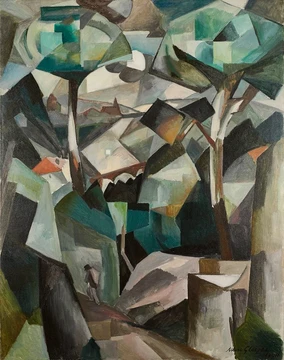
Tomas Tranströmer
Swedish poet and psychologist, Nobel laureate in literature.

via Wikipedia: Tomas Tranströmer · see source
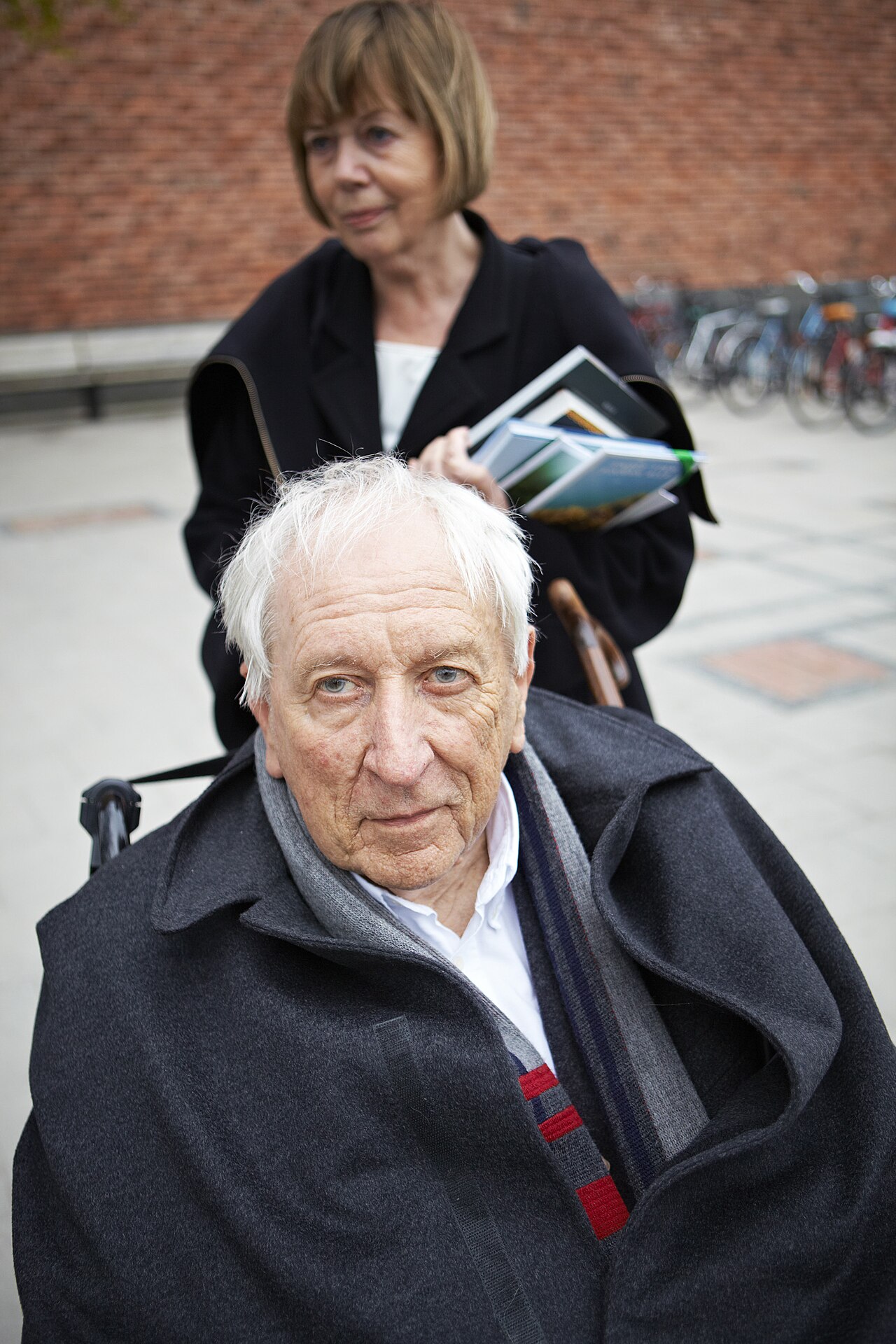
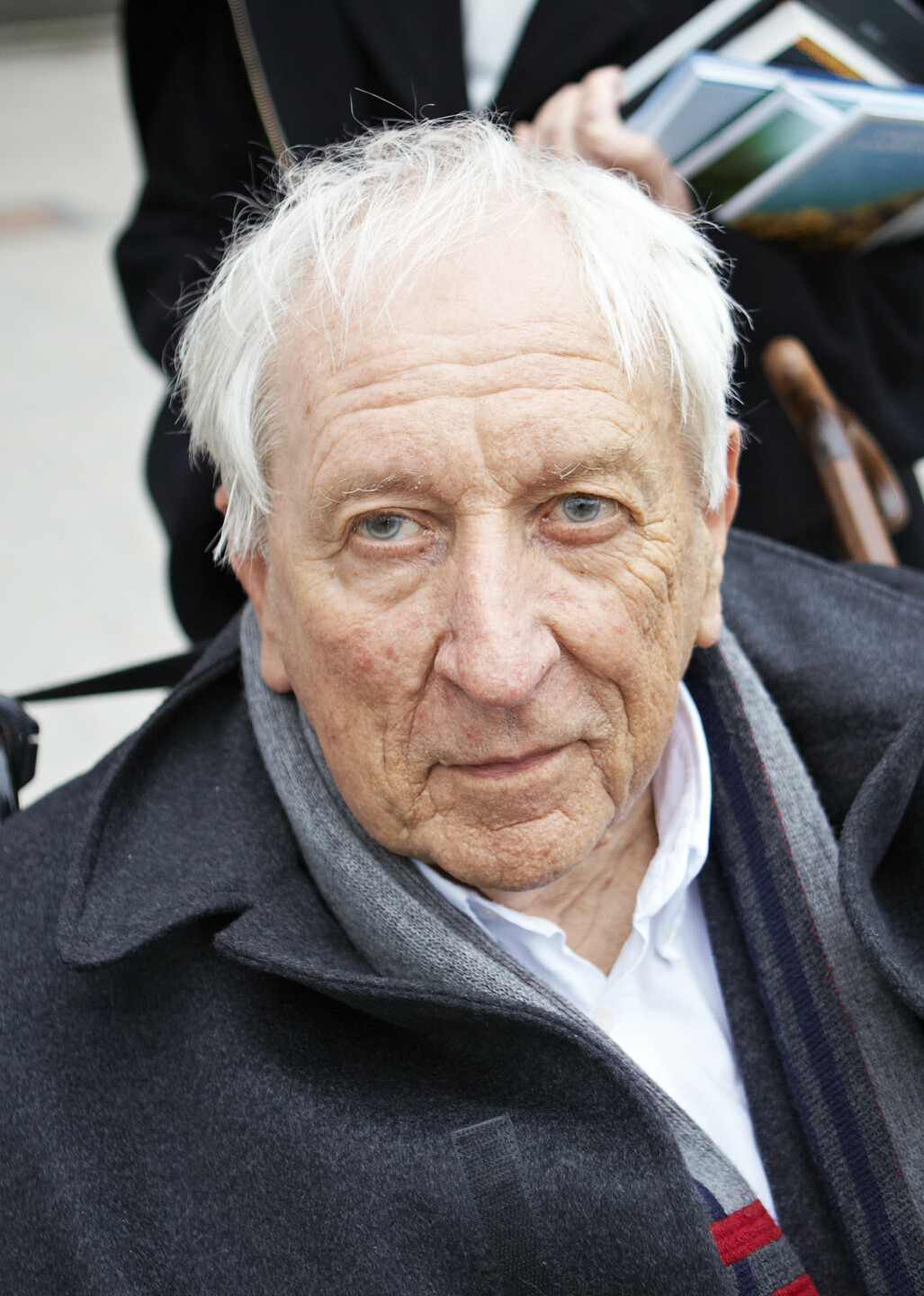
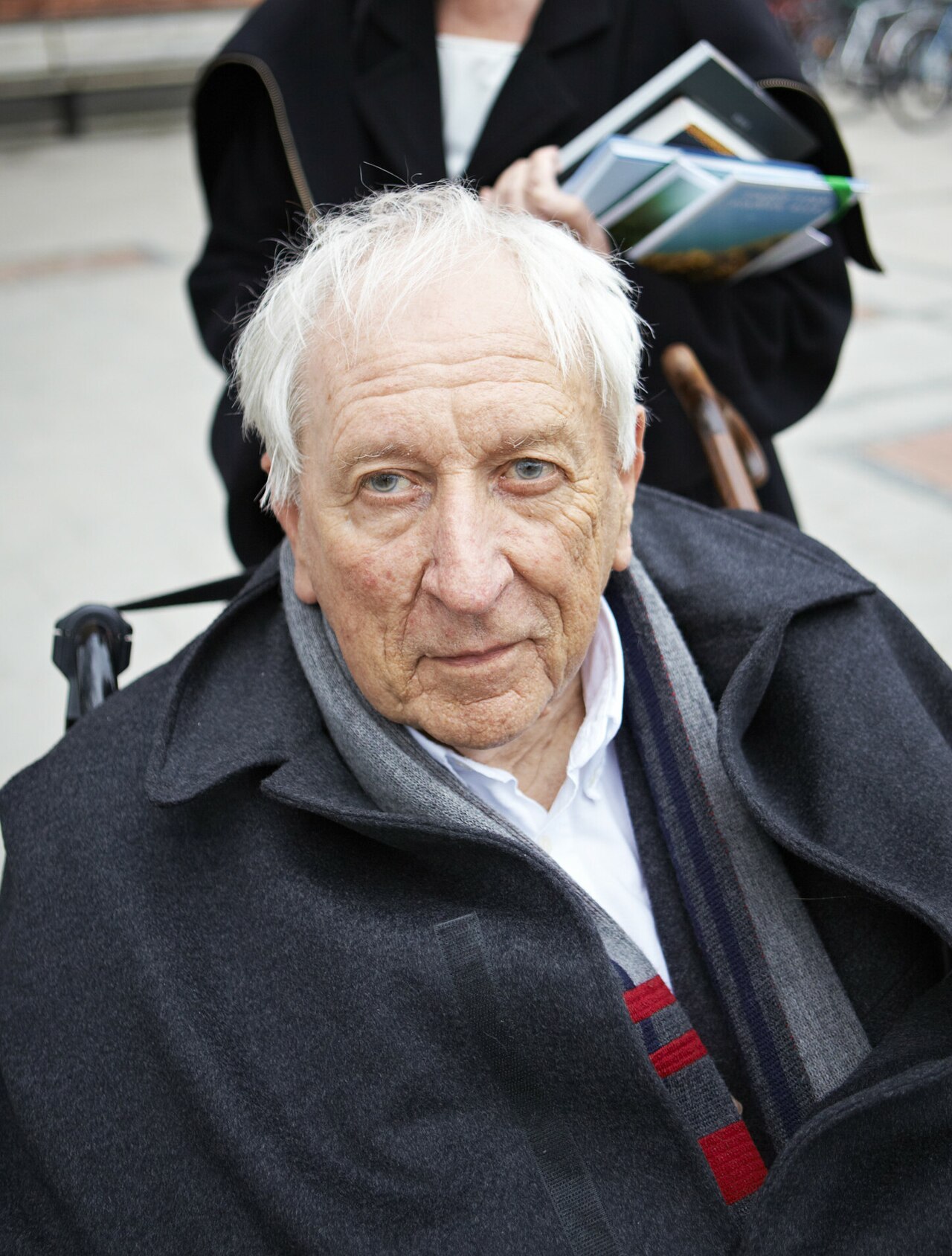
Tomas Gösta Tranströmer was a Swedish poet, psychologist, and translator. He is acclaimed as one of the most important Scandinavian writers since the Second World War, known for poetry that captures the long winters of Sweden, the rhythm of the seasons, and the palpable beauty of nature, often imbued with a sense of mystery and a religious dimension.
- born
- 15 April 1931
- died
- 26 March 2015
- field
- Poetry, psychology, translation
- nationality
- Swedish
- known_for
- Nobel Prize in Literature (2011); poetry translated into over 60 languages
Verified Timeline
Lore & Background
Tranströmer was born in Stockholm in 1931 and raised by his mother, a schoolteacher, after her divorce from his father, an editor. He received his secondary education at Södra Latin Gymnasium, where he began writing poetry. His first collection, 17 Poems, was published in 1954. He graduated as a psychologist from Stockholm University in 1956, with additional studies in history, religion, and literature. From 1960 to 1966 he split his time between working as a psychologist at the Roxtuna centre for juvenile delinquents and writing poetry; he later worked as a psychologist at the Labor Market Institute in Västerås from 1965 to 1990. By the mid-1960s, Tranströmer became close friends with poet Robert Bly, who translated his poems into English and helped arrange readings in America. The Syrian poet Adunis helped spread Tranströmer's fame in the Arab world. In the 1970s, some poets accused Tranströmer of being detached from social and political issues, though his work develops Modernist and Expressionist/Surrealist language. He went to Bhopal after the 1984 gas tragedy and took part in a poetry reading session outside the plant. He suffered a stroke in 1990 that left him partially paralyzed and unable to speak, but he continued to write and publish poetry through the early 2000s.
Reader's Guide
Tranströmer's significance lies in his role as a central figure in post-war Scandinavian literature, with his poetry praised for its accessibility even in translation. His work, translated into over 60 languages, is characterized by clear, seemingly simple images from everyday life and nature that reveal a mystic insight into the universal aspects of the human mind. Critics have described him as a Christian poet due to the religious dimension in his work. He received many awards, culminating in the 2011 Nobel Prize in Literature. His legacy includes influencing poets worldwide and inspiring numerous musical settings of his poems by composers such as Jan Garbarek and others. Despite a stroke that left him partially paralyzed, he continued to write and taught himself to play the piano with his left hand, underscoring his resilience.
Did You Know?
- Tranströmer taught himself to play the piano with only his left hand after a 1990 stroke left him partially paralyzed.
- His daughter Emma, a concert mezzo-soprano, released the album Dagsmeja in 2011 with settings of 18 of his poems.
- He traveled to Bhopal immediately after the 1984 gas tragedy and took part in a poetry reading session outside the plant.
- His first collection, 17 Poems, was published in 1954, two years before he graduated as a psychologist from Stockholm University.
- The Syrian poet Adunis helped spread Tranströmer's fame in the Arab world, accompanying him on reading tours.
The Poet's Vision: Mystery in the Mundane
Tranströmer's verse occupies a distinctive space in postwar Scandinavian literature. Rather than engaging directly with the social and political upheavals of his era—a choice that drew criticism from fellow poets in the 1970s who felt he was out of touch with his own time—his work turned inward toward the textures of ordinary existence. His poems render the long Swedish winters, the turning of seasons, and the quiet beauty of the natural world with a clarity that critics have consistently praised for its accessibility, even when carried across linguistic boundaries. Beneath this apparent simplicity, however, lies a persistent sense of mystery and wonder that infuses routine moments with what many readers perceive as a religious dimension; Tranströmer has often been characterised as a poet with a Christian sensibility. His language builds upon the Modernist and Expressionist or Surrealist traditions of the century, yet his deceptively plain images of daily life and landscape open onto a mystic insight into the universal workings of the human mind. Over a career spanning from his 1954 debut to his final collections in the 2000s, he published fifteen books of poetry, cementing his reputation as one of the most influential Scandinavian poets of the postwar era.
The Double Life: Psychologist and Poet
Tranströmer's professional identity was inseparable from his poetic one, yet the two rarely merged in public view. Born in Stockholm in 1931, he was raised by his mother Helmy, a schoolteacher, after her divorce from his father Gösta, an editor. He attended the Södra Latin Gymnasium, where his first poems took shape, and went on to graduate from Stockholm University in 1956 with a degree in psychology, supplemented by studies in history, religion, and literature. His debut collection, 17 Poems, appeared in 1954. For the next three decades, Tranströmer divided his working life between clinical practice and creative writing: he spent 1960 to 1966 as a psychologist at the Roxtuna centre for juvenile delinquents, then moved to the Labor Market Institute in Västerås, where he remained until 1990. This sustained engagement with troubled young people and with the mechanics of the Swedish labour market gave his poetry a grounded, observational quality, even as his verse reached for the numinous. The duality of his life—diagnosing and treating on one side, composing and publishing on the other—became a defining feature of his public persona.
Crossing Borders: Translation and Global Reach
Tranströmer's poetry crossed linguistic and cultural boundaries with remarkable ease, a feat critics attributed to the inherent accessibility of his language. His work has been rendered into more than sixty languages, and a succession of translators—from Robert Bly and May Swenson in the early 1970s to Robin Fulton, whose collected editions appeared in 1987, 1997, 2006, and 2011—helped build a substantial English-language readership. The Syrian poet Adunis played a key role in introducing Tranströmer to the Arab world, accompanying him on reading tours. In 1984, Tranströmer travelled to Bhopal immediately after the industrial gas disaster and joined Indian poets, including K. Satchidanandan, for a reading outside the affected plant. His friendship with Robert Bly, which began in the mid-1960s, produced not only translations but also the 2001 correspondence volume Air Mail, a vivid record of two poets' decades of personal and literary exchange. Bly also arranged American readings for his friend. These international connections, culminating in the 2011 Nobel Prize in Literature, established Tranströmer as a genuinely global literary voice.
After the Stroke: Music, Memory, and Farewell
In 1990, a stroke left Tranströmer partially paralysed and stripped of speech, yet it did not silence his poetry; he continued to write and publish new work through the early 2000s, including The Great Enigma in 2004. Music became his principal means of sustaining a full life after the injury. He had played the piano throughout his years, and after the stroke he taught himself to play with his left hand alone, telling others that the act of playing was how he kept living. His daughter Emma, a concert mezzo-soprano, released the 2011 album Dagsmeja, setting eighteen of his poems to music. A wider circle of composers and musicians—including Jan Garbarek, Ulf Grahn, Madeleine Isaksson, Margareta Hallin, Lars Edlund, Sven-David Sandström, Jan Sandström, and Anders Eliasson—had long drawn on his verse for musical settings. Late in life he also experimented with Swedish-language haiku. Tranströmer died in Stockholm on 26 March 2015, at the age of eighty-three, leaving behind fifteen collections of poetry, a short memoir, and a body of work that continues to be read across more than sixty languages.
Gallery
Frequently Asked Questions
Who is Tomas Tranströmer?
Tomas Gösta Tranströmer (1931–2015) was a Swedish poet, psychologist, and translator widely regarded as one of the most significant Scandinavian literary voices of the postwar era. His verse is celebrated for evoking Sweden's long winters, the turning of seasons, and a quiet, almost sacred mystery in the natural world.
What is Tomas Tranströmer best known for?
He is most recognized for winning the 2011 Nobel Prize in Literature and for a body of poetry that blends vivid natural imagery with a sense of the numinous and religious. His work has been rendered into more than sixty languages, making him one of the most widely read Scandinavian poets of the twentieth century.
What did Tomas Tranströmer do besides writing poetry?
Alongside his writing, Tranströmer worked as a clinical psychologist and also produced translations of other poets' work. These parallel careers in psychology and translation are often cited as shaping the introspective, empathetic tone of his own verse.
Why is Tomas Tranströmer important to modernist and 20th-century poetry?
He is considered a key Scandinavian figure since World War II, bridging mid-century modernism with a distinctly Nordic sensibility rooted in landscape and spiritual wonder. His Nobel recognition in 2011 cemented his place in the broader canon of twentieth-century poetry.
When was Tomas Tranströmer born and when did he die?
He was born on 15 April 1931 in Sweden and passed away on 26 March 2015. His life spanned much of the twentieth century, and his poetic career unfolded across several decades of Scandinavian literary life.
More in Modernist & 20Th Century Poets 1-18
Spotted an error? Know more?
This is a living reference — every entry is fact-audited, and reader corrections feed straight into our audit queue. Suggest an edit · See this site's audit record