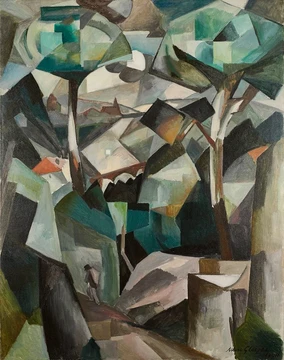
Sully Prudhomme
First Nobel laureate in Literature, French poet and essayist.

via Wikipedia: Panait Cerna · see source
Born in Paris, he initially studied engineering before turning to philosophy and poetry, aiming to create a scientific poetry for modern times. His work, marked by sincerity and melancholy, was associated with the Parnassus school while retaining distinctive personal qualities.
- died
- 6 September 1907
- field
- Poetry, essays
- nationality
- French
Lore & Background
Prudhomme was born in Paris to M. Sully Prudhomme and Clotilde Caillat, who had waited ten years to marry due to financial constraints. His father, a shopkeeper, died when Prudhomme was two, prompting a move to his uncle's house. He adopted the name Sully-Prudhomme by combining his father's name with his surname. In school, he excelled in classic literature and mathematics, and briefly considered joining the Dominican order before deciding against it. He attended the Lycée Bonaparte, but eye trouble interrupted his studies, leading him to work at the Schneider steel foundry in the Creusot region and later study law in a notary's office. Encouraged by the positive reception of his early poems at the Conférence La Bruyère, he embarked on a literary career.
Reader's Guide
His career evolved from sentimental early works to a more personal style blending Parnassian formality with philosophical and scientific themes, notably influenced by Lucretius's De rerum natura. His later philosophical poems, such as La Justice and Le Bonheur, were criticized for sacrificing poetic quality to philosophical argument. After Le Bonheur, he turned to essays on aesthetics and philosophy. His health, permanently damaged by the Franco-Prussian War, declined in later years, leading to a reclusive life until his death in 1907.
Did You Know?
- He used most of his Nobel prize money to establish a poetry prize through the Société des gens de lettres.
- His father, a shopkeeper, died when Prudhomme was two years old, forcing the family to move to his uncle's house.
- He briefly considered joining the Dominican order before deciding against it.
- His health was permanently damaged by the Franco-Prussian War, leading to a reclusive life until his death in 1907.
Gallery
Frequently Asked Questions
Who is Sully Prudhomme?
Sully Prudhomme (1839–1907) was a French poet and essayist born in Paris, best remembered as the very first person ever to receive the Nobel Prize in Literature in 1901.
What was Sully Prudhomme's background before becoming a poet?
He originally trained as an engineer and then turned to philosophy, and he carried that analytical mindset into his verse by aspiring to craft a 'scientific poetry' suited to the modern era.
Which literary school is Sully Prudhomme associated with?
He is generally grouped with the Parnassian movement, though his work also carries a strong personal voice of sincerity and melancholy that distinguishes him from his Parnassian peers.
Why is Sully Prudhomme significant in literary history?
His 1901 Nobel Prize made him the inaugural laureate of what would become the most prestigious literary award in the world, giving the prize its very first name.
What themes and qualities characterize Sully Prudhomme's poetry?
His verse blends intellectual rigor with deep emotional melancholy, often exploring love, loss, and the tension between reason and feeling in a modern world.
More in Modernist & 20Th Century Poets 1-18
Spotted an error? Know more?
This is a living reference — every entry is fact-audited, and reader corrections feed straight into our audit queue. Suggest an edit · See this site's audit record