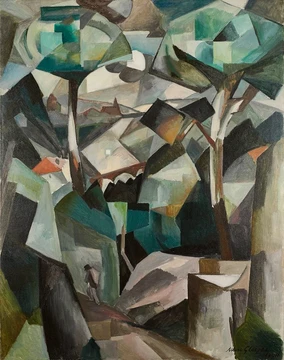
Sasha Chorny
Russian satirist and poet known for his sharp, popular verses.

via Wikipedia: Sasha Chorny · see source
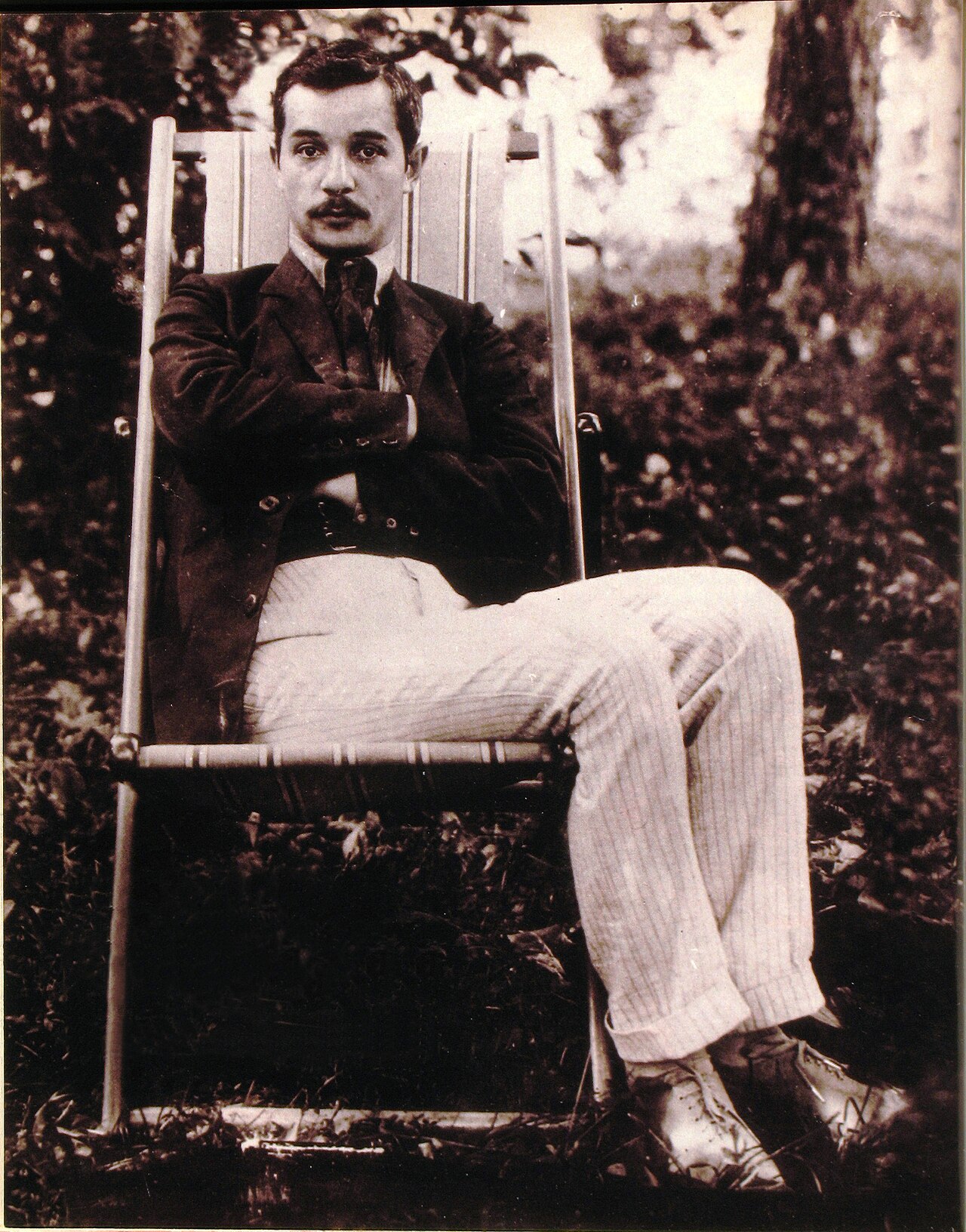
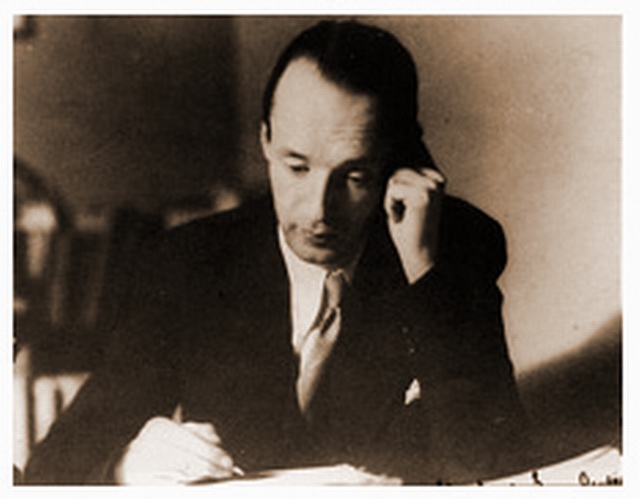
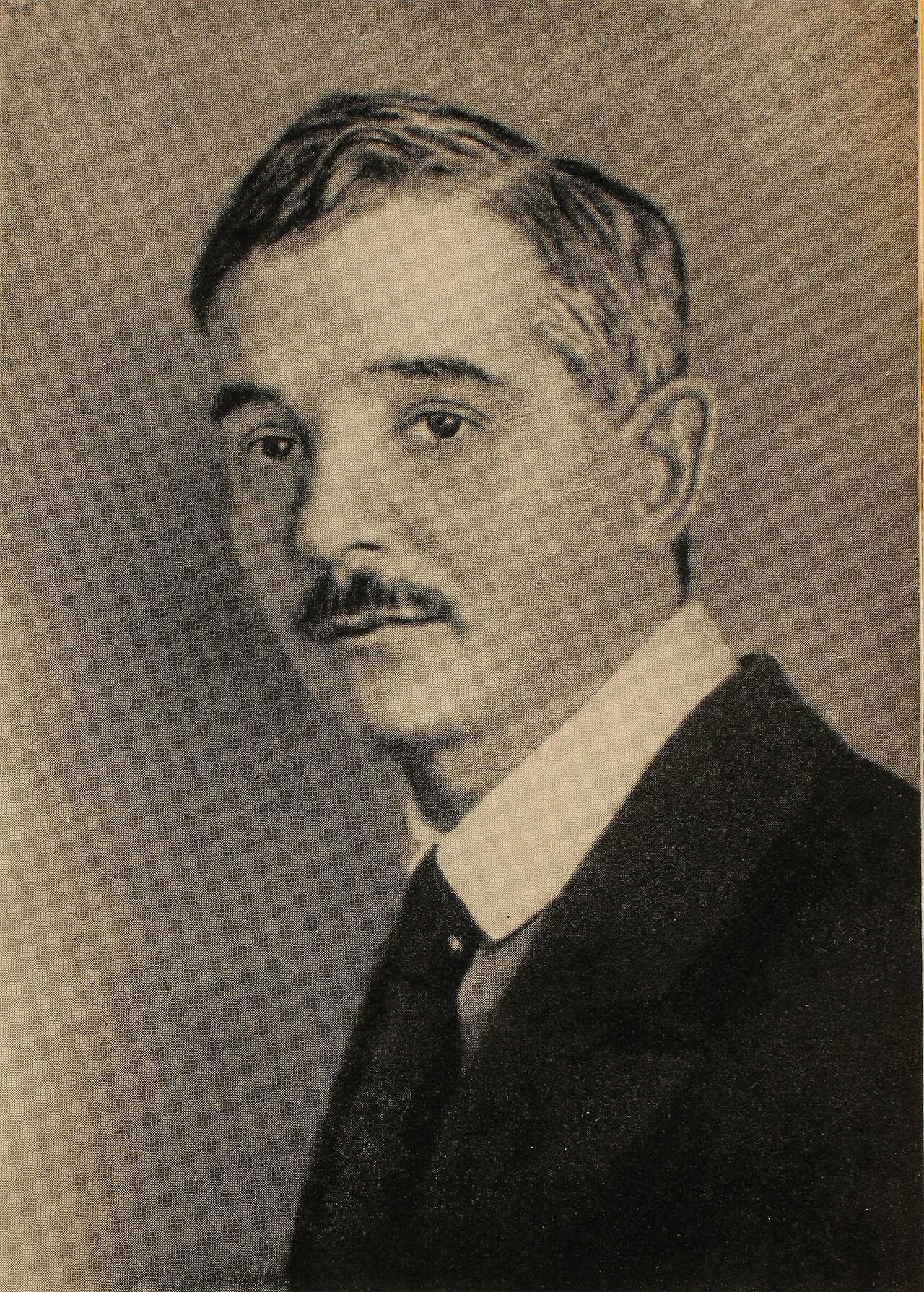
Sasha Chorny, born Alexander Mikhailovich Glikberg, was a Russian poet, satirist and children's writer. He gained widespread popularity in early 20th-century Russia for his satirical verses, which were distributed throughout the country, rewritten by hand, and recited by readers including Vladimir Mayakovsky, who knew many of his poems by heart. His work appeared in leading magazines such as Novyi Satirikon, and he later wrote children's books and prose in emigration.
- born
- 13 October N.S. 1880, Odessa, Russian Empire
Verified Timeline
Lore & Background
Alexander Glikberg was born into a Jewish family of pharmacists in Odessa, Russian Empire (currently in Ukraine) on October 13 N.S. 1880. His childhood was difficult: his mother suffered from hysteria and children were bad for her nerves; his father often became violent and severely punished his children. Among five children, two were named Alexander—one blond called 'White Sasha' and the brunet 'Black Sasha,' a nickname that later became his pen name. Due to quota restrictions on Jewish enrollment in schools, the family solved the problem by baptizing themselves and their children, allowing them to enter an Odessa gymnasium in 1889. Alexander found gymnasium life akin to boring bureaucratic service and ran away at fifteen. After being expelled from a Saint Petersburg gymnasium for failing algebra, he became homeless and without money. His fortunes turned when journalist Alexander Yablonovsky published one of his stories in the newspaper Syn Otechestva, leading to adoption by K. K. Rochet, a French-Russian living in Zhitomir. He was later expelled from a Zhitomir gymnasium after a conflict with the principal, served two years in the Army, worked as a customs officer in the village of Novoselytsia on the border with Austria-Hungary, and returned to his adoptive family in Zhitomir in 1904 to work for the magazine Volynsky Vestnik, which went bankrupt within two months.
Reader's Guide
Sasha Chorny's significance lies in his role as a leading satirist of pre-revolutionary Russia, whose verses resonated widely across social classes. On moving to Saint Petersburg, he worked an administrative job for the Warsaw–Saint Petersburg Railway, where he met his wife Maria Ivanovna Vasilieva, his manager. They spent their honeymoon in Italy in 1905. His first published collection, Nonsense, in the magazine Zritel led to the magazine's closure by the government but made him a sought-after author; the verses were distributed throughout the country, rewritten by hand. Between 1906 and 1907 he lived in Germany and studied at the Ruprecht Karl University of Heidelberg. Returning to Saint Petersburg in 1908, he wrote for Novyi Satirikon to wide popular acclaim. Korney Chukovsky wrote: 'When somebody gets an issue of the magazine, the first things he looks for are the Sasha Chorny poems. There isn't a student, physician, or lawyer that does not know Chorny's verses by heart.' Vladimir Mayakovsky knew many of his poems by heart and often recited them. Chorny published the book Satires in 1910, Satires and Lyrics in 1911, and children's books Tuk-Tuk (Knock-Knock) in 1913 and Live ABC in 1914. During World War I he served as a private at a field hospital. After the October Revolution he immigrated to Vilnius, then to Germany where he worked for the Berlin magazine Fire-bird, then to France where he worked for the Parisian Russian newspaper. In 1923 he published his third book of verses, Thirst. In 1927 he was a founder of a Russian colony in the village La Favière in Provence. In emigration he wrote the poem Who lives well in emigration (1931-1932) and prose Non-serious stories (1928) and Soldiers' tales (published in 1933). After his death his fourth book of verse Children's Island was published. He died of a heart attack while helping to put out a fire in the town of Lavandou in the South of France on July 5, 1932. Legend has it that his dog Micky lay on his chest and died with him. Vladimir Nabokov eulogized: 'He left only a few books and a quiet, beauteous shadow.' Dmitri Shostakovich set five of Chorny's poems to music for his song cycle Satires (Pictures of the Past), op. 109.
Did You Know?
- Among the five Glikberg children there were two named Alexander—the blond was called 'White Sasha' and the brunet 'Black Sasha,' which became his pen name.
- His first published collection, Nonsense, caused the magazine Zritel to be closed by the government, but the verses were distributed throughout the country, rewritten by hand.
- He married his manager at the Warsaw–Saint Petersburg Railway, Maria Ivanovna Vasilieva, who was a few years older, better educated, and richer than him.
- He died of a heart attack while helping to put out a fire in the town of Lavandou in the South of France on July 5, 1932.
- Dmitri Shostakovich set five of Chorny's poems to music for his song cycle Satires (Pictures of the Past), op. 109.
Gallery
Frequently Asked Questions
Who is Sasha Chorny?
Sasha Chorny was the pen name of Alexander Mikhailovich Glikberg, a Russian satirist and poet born in Odessa in 1880. He became one of the most widely read short-verse writers in early twentieth-century Russia, celebrated for his sharp, humorous observations on everyday life.
What made Sasha Chorny's poetry so popular?
His satirical verses were brief, witty, and built for memorization, which made them perfect for oral sharing across social classes. They captured common frustrations in a punchy, accessible style that readers could easily quote and pass along.
How did Sasha Chorny's poems actually reach an audience?
A large portion of his work circulated through hand-copied manuscripts and public recitation rather than through print alone. Poets such as Vladimir Mayakovsky helped spread his verses by performing them, and his pieces also ran in periodicals like Novyi Satirikon.
What did Sasha Chorny write after leaving Russia?
In emigration he turned his literary energies toward children's books and prose, stepping away from the satirical verse that had defined his earlier fame. This later body of work is less well known than his pre-exile poetry.
Why does Sasha Chorny matter to the study of Russian modernism?
He embodied a populist, performance-driven strand of early modernist verse that valued oral delivery and mass appeal alongside the more experimental currents of the era. His influence on younger poets, particularly Mayakovsky, helped fuse popular folk humor with the emerging modernist voice.
More in Modernist & 20Th Century Poets 1-18
Related in Modernist & 20Th Century Poets
Links follow this subject's own source article.
Spotted an error? Know more?
This is a living reference — every entry is fact-audited, and reader corrections feed straight into our audit queue. Suggest an edit · See this site's audit record