Salvatore Quasimodo

via Wikipedia: Salvatore Quasimodo · see source
Along with Giuseppe Ungaretti and Eugenio Montale, he was one of the foremost Italian poets of the 20th century.
- field
- Poetry, translation
- nationality
- Italian
Verified Timeline
Lore & Background
Quasimodo was born in Modica, Sicily, into a Sicilian-Greek family. His paternal grandmother was from Patras, Greece, and he defined himself as a 'Siculo-Greco'. He graduated from a technical college in 1919. He moved to Rome to study engineering but worked as a technical draughtsman, meanwhile studying Greek and Latin. During World War II, though an outspoken anti-Fascist, he did not take part in the resistance, instead translating the Gospel of John, Catullus, and episodes of the Odyssey.
Reader's Guide
Quasimodo's work is traditionally divided into two periods: the hermetic period until World War II and the post-hermetic era. His early poetry used a closed, hermetical language to explore themes of Sicily, religion, and death. Translations of Roman and Greek authors expanded his linguistic range, while the absurdity of World War II deepened his moral engagement and social criticism, as seen in collections like Giorno dopo giorno. His later writings reflect a mature, reflective voice. He also signed an agreement to convene a convention for drafting a world constitution. His legacy endures as a key figure in 20th-century Italian poetry, noted for his lyrical expression of the tragic experience of life.
Did You Know?
- Quasimodo's paternal grandmother was from Patras, Greece, and he defined himself as a 'Siculo-Greco'.
Siculo-Greco: A Poet Forged by Two Worlds
His paternal grandmother Rosa had emigrated from Patras, Greece, and that dual inheritance became the foundation of his artistic self-conception. He proudly called himself "Siculo-Greco" in his poetry, and in one biographical text he even tried to reassign his birthplace from Modica to Syracuse, the celebrated city of Magna Graecia, as though the ancient Greek port better fit the poet he aspired to be. The sheer force of that natural catastrophe left an indelible mark on the young boy's sensibility. By 1917 he had launched a brief literary journal, Nuovo giornale letterario, and by 1919 he had completed his technical college studies and formed a friendship with the future Florentine mayor Giorgio La Pira. His father, a Freemason in the "Arnaldo da Brescia" lodge, also introduced him to the Scottish Rite, a bond the Grand Orient of Italy later recognized by counting him among its most distinguished members.
From Hermetic Silence to Moral Fire
Literary scholars typically divide Quasimodo's verse into two broad phases: a hermetic period running through the war years and a post-hermetic era that carried him to his death. His early language was deliberately closed, circling around motifs of Sicily, faith, and mortality. Translating Greek and Roman classics broadened his expressive range, while the horror and absurdity of the Second World War introduced a bitter edge.
A Nobel Laureate on the World Stage
Quasimodo's standing among the great Italian poets of the twentieth century — alongside Giuseppe Ungaretti and Eugenio Montale — was sealed by a remarkable string of honors in the 1950s. During his final decade he traveled extensively across Europe and the Americas, delivering public lectures and readings of his poems, which by then had been rendered into numerous foreign languages. He also read his verse in Italian at the Library of Congress in April 1960. Beyond literature, he signed an agreement to convene a convention for drafting a world constitution, contributing to the first-ever World Constituent Assembly.
Beyond the Page: Faith, Politics, and a Sudden End
Quasimodo's life extended well beyond the printed poem. Though an outspoken opponent of Fascism, he did not join the Italian resistance during the German occupation; instead he channeled his energy into translating the Gospel of John, several cantos of Catullus, and episodes of Homer's Odyssey. He also sustained a steady career as a journalist, contributing articles — largely on theatre — to some of Italy's most prestigious publications. His father had initiated him into the Scottish Rite of Freemasonry through the "Arnaldo da Brescia" lodge, a fraternal connection that persisted throughout his adult life. His final days were cut short with brutal suddenness. He was rushed to a hospital in Naples, where he died a few days later at the age of sixty-six. His remains were laid to rest in the Cimitero Monumentale in Milan.
Gallery
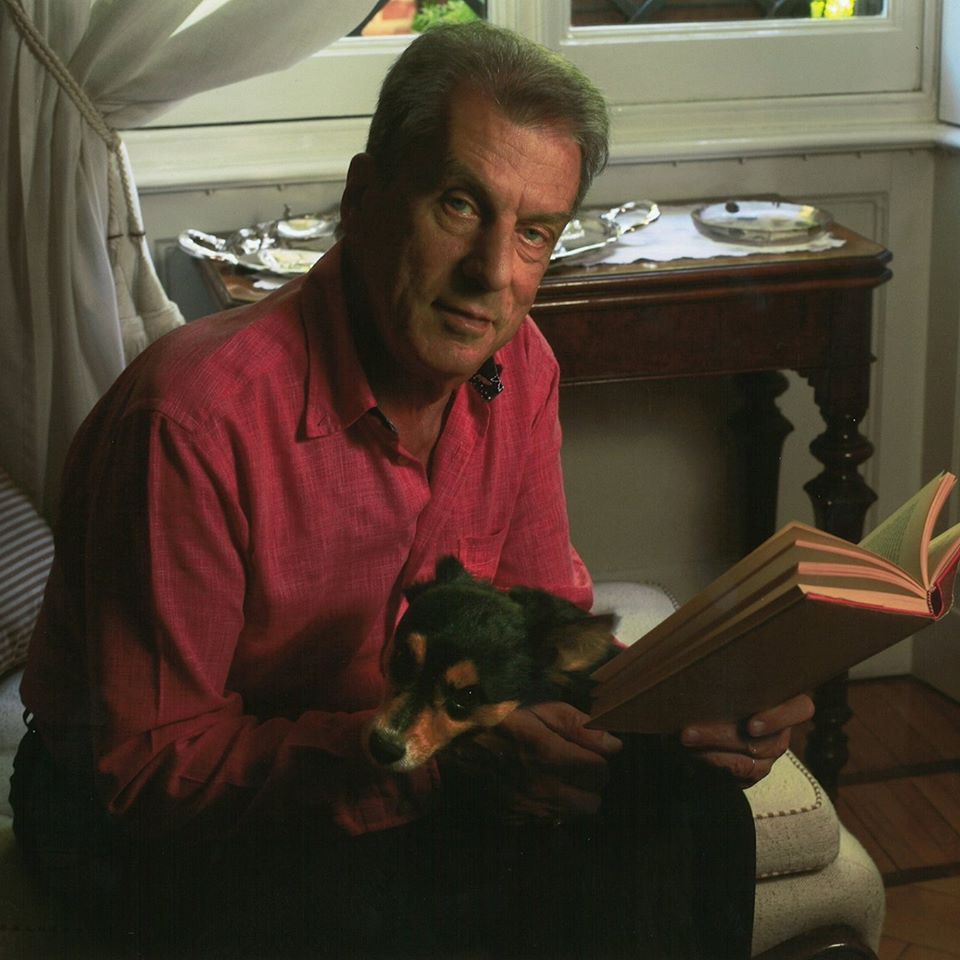
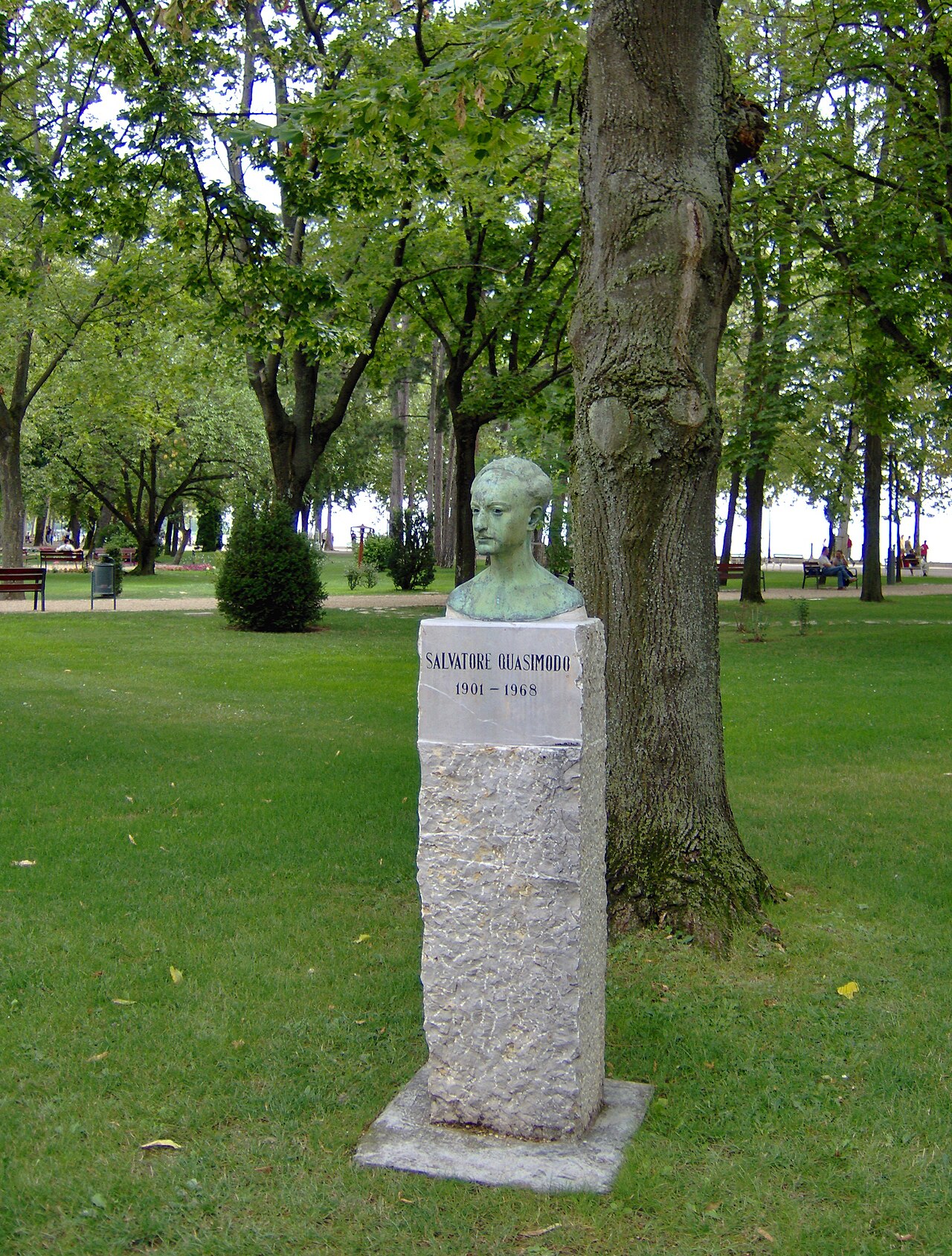
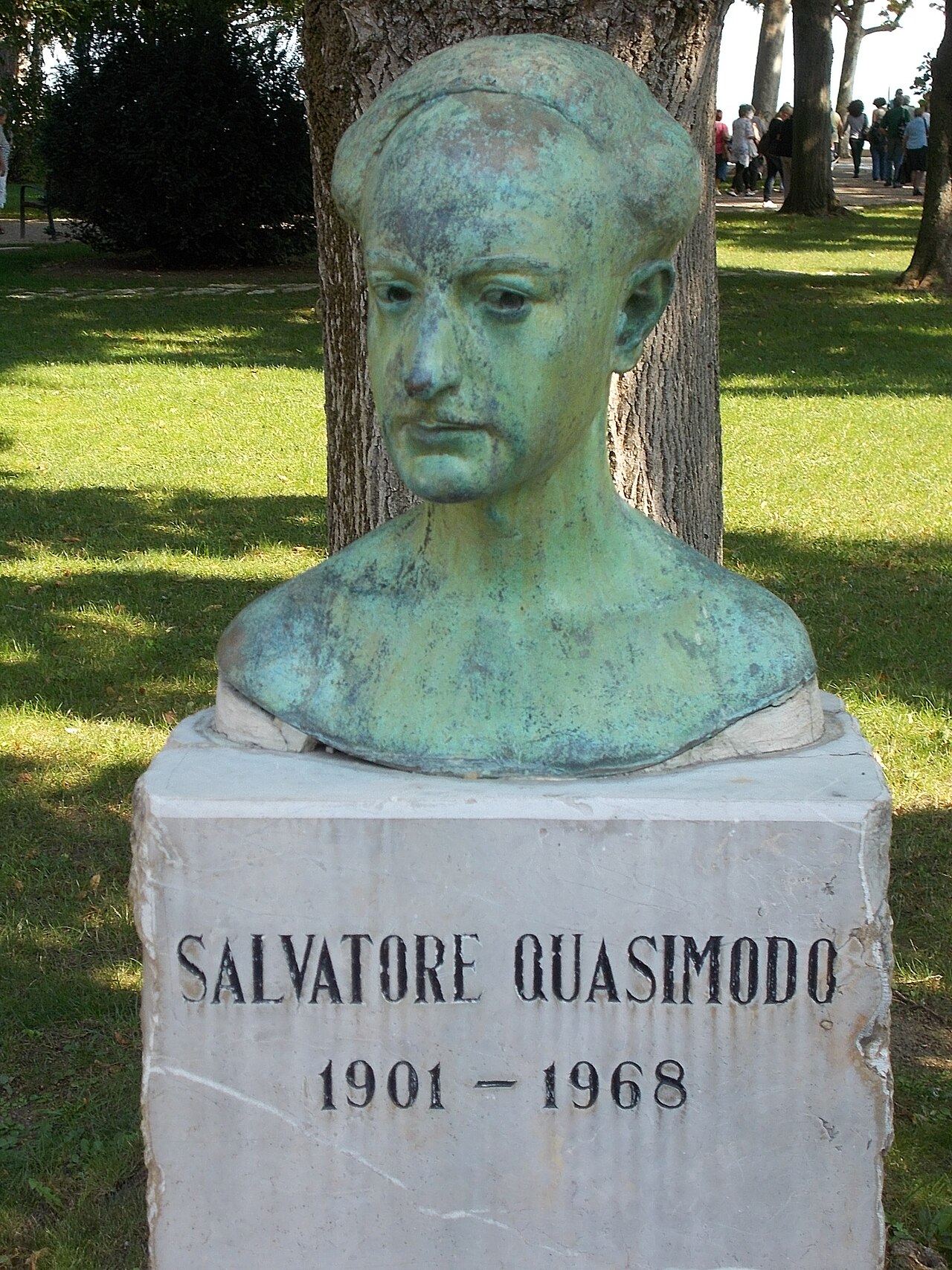
Frequently Asked Questions
What poetic tradition is Quasimodo associated with?
He wrote within both the hermetic and post-hermetic strands of Italian modernist verse, moving from the dense, allusive idiom of the early hermeticists toward a later, somewhat more open register. That shift is a key part of how scholars place him in the 20th-century canon.
More in Modernist & 20Th Century Poets 1-18
Spotted an error? Know more?
This is a living reference — every entry is fact-audited, and reader corrections feed straight into our audit queue. Suggest an edit · See this site's audit record