Sergei Yesenin
Russian lyric poet known for raw village nostalgia.

Главархив Москвы · CC BY 4.0
Sergei Aleksandrovich Yesenin (3 October [O.S. His work is noted for lyrical evocations of and nostalgia for the village life of his childhood, presented in all its rawness, with an implied curse on urbanisation and industrialisation.
- field
- Poetry
- nationality
- Russian
- known_for
- Lyrical poetry evoking village life and criticizing urbanisation
Lore & Background
Sergei Yesenin was born into a peasant family in the village of Konstantinovo. His parents spent most of their time seeking work, so at age two he was moved to live with his maternal grandparents, who raised him. He started reading at age five and began writing poetry at nine, inspired by chastushkas and folklore from his grandmother. He graduated from the Konstantinovo zemstvo school with a certificate of merit in 1909 and later studied at a secondary parish school in Spas-Klepiki. In 1912 he moved to Moscow, working as a proofreader's assistant, and enrolled at Shanyavsky Moscow City People's University to study history and philology, but left after eighteen months due to lack of funds. His first marriage was in 1913 to Anna Izryadnova, with whom he had a son, Yuri. His first published poem, 'Beryoza' (The Birch Tree), appeared in January 1914 in the children's magazine Mirok.
Reader's Guide
Yesenin's significance lies in his role as a leading Russian lyric poet of the early 20th century, whose work captured the tension between rural tradition and urban modernity. His poetry, rooted in peasant life and folklore, offered a raw, nostalgic counterpoint to industrialisation, resonating widely. He co-founded the imaginist movement in 1918 with Anatoly Marienhof, and his early career was boosted by Alexander Blok, who called him 'a gem of a peasant poet.' Despite initial support for the Bolsheviks, Yesenin later criticized Bolshevik rule in poems such as 'The Stern October Has Deceived Me.' His legacy endures as a popular and influential figure in Russian literature, though his personal life was marked by multiple marriages and a tumultuous relationship with the state.
Did You Know?
- Yesenin's first published poem, 'Beryoza' (The Birch Tree), appeared in the children's magazine Mirok in January 1914.
- He co-founded the Russian literary movement of imaginism in 1919 with Anatoly Marienhof.
- His maternal grandparents, who raised him, had three grown-up sons who taught him horse riding and swimming.
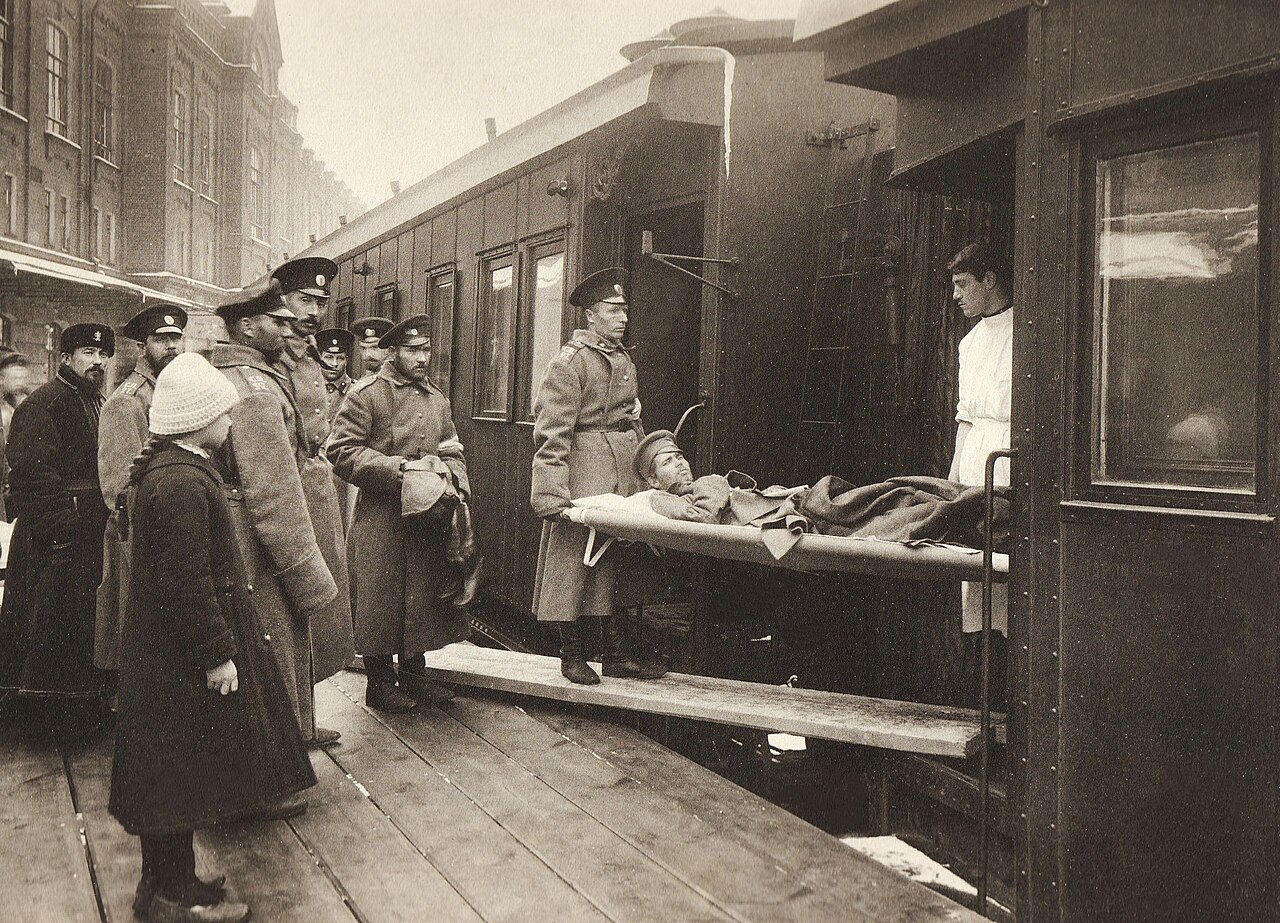
- Yesenin was drafted for military duty in March 1916 and served on a medical train.
Gallery

Frequently Asked Questions
What is Sergei Yesenin known for?
His verse is built around raw, unsentimental portraits of village life from his childhood, layered with a deep sense of loss. He also directed a pointed, almost cursing critique at industrialization and the encroachment of urban modernity.
Why is Sergei Yesenin important to 20th-century poetry?
He gave a fiercely lyrical voice to a rural Russian world that was rapidly disappearing under industrialization, making his work a key reference point for poets grappling with modernity, cultural loss, and identity. His influence persists in Russian-language literature and in broader discussions of how verse can mourn what progress destroys.
More in Modernist & 20Th Century Poets 1-18
Spotted an error? Know more?
This is a living reference — every entry is fact-audited, and reader corrections feed straight into our audit queue. Suggest an edit · See this site's audit record